Italian Organic Olive Oil Extra Virgin Online Shop

The taste of sun, wind and sea

What a high-quality olive oil brings and why you should buy it from us

Not every olive oil you can buy is an extra virgin olive oil. Because only a high-quality virgin olive oil from the first pressing brings health benefits to humans. Our Bartolacci Organic extra virgin olive oil is such a virgin olive oil. That is why when we speak of olive oil, we speak of high quality extra virgin olive oil.

As olive growers, importers and delicatessens, we are pleased that more and more people appreciate a first-class olive oil and that this valuable commodity is becoming more important every day. Bartolacci is an organic olive oil producer with years of experience.

Buy Italian extra virgin olive oil

The special characteristics of Bartolacci organic extra virgin olive oil

In addition to the place of cultivation and its special weather conditions, which positively influence the aroma of the oil, the type of pressing is still the most important criterion for a first-class olive oil. Extra virgin oil always comes from the first pressing! The oil mills work with a gentle pressure and thereby produce an olive oil with a slight acidity from locally grown, hand-picked olives. No high temperatures are used. Only a cold pressing, up to a maximum temperature of 27 ° C, guarantees, among other things, a high-quality first-class olive oil. Such oils may be called extra virgin olive oil.

How you can also recognize a good Extra Virgin olive oil

The classification of a high-quality product such as an olive oil is determined by the EU and takes into account not only the aroma and the result of a chemical analysis but also the respective manufacturing process. In addition to the classification, you can pay attention to a few other details:

The Label

Most labels are not helpful when buying olive oil, experts say. Rather, it is advised to choose an oil dealer and to find out about the percentage of free fatty acids and whether cultivation and bottling come from the same producer. Nevertheless, it should be evident on every label that it is extra virgin olive oil. The type of manufacturing process should also be mentioned. The packaging of an extra virgin olive oil made in Italy with 100% Italian olives bears the note: "... made in Italy from the olives harvested in Italy".

The packaging

Because light accelerates oxidative processes, which can lead to changes in taste, extra virgin olive oil should only be stored in metal food containers or glass bottles with an airtight seal.

Chemical parameters

The EC directive 1989/2003 specifies the maximum parameters that define an olive oil as a virgin extra. A high-quality extra virgin olive oil must definitely have the following values:
Acidity up to 0.8% is fine
0.5% would be better
0.3% or below it is premium olive oil
Peroxides can contain max. 9 meq O2.
Our Bartolacci Organic olive oil usually has an acidity of 0.2% or 0.3% in poor years. The number of peroxides are usually between 5 and 8 mEq O2 / kg depending on the year.

The price

A 100% Italian organic extra virgin olive oil costs the end consumer in Germany at least 24€/l. The production of olive oil is complex and has its price, which is usually about the same in all of Italy. If you can find extra virgin olive oil in the supermarket for a few euros, then there can be no true Italian extra virgin olive oil in the bottle.

The taste

The Extra virgin olive oil must have no defects in the aroma. When opening the package, you should notice a pleasant fresh and fruity fragrance. The taste should be of a spicy and slightly bitter note. The consistency is ideally velvety to creamy on the tongue. Finally, the high-quality extra virgin olive oil leaves a mouthfeel free of negative fat sensations which are usually more typical of a poor quality. A pleasant sharpness that tickles the palate reveals the authenticity of this culinary specialty.

Tip: Flavoured olive oils, such as those with chilli, garlic or rosemary, are usually not of good quality. The herbs are usually used to mask a poor quality oil. It is better to use a high-quality olive oil and add the herbs yourself.

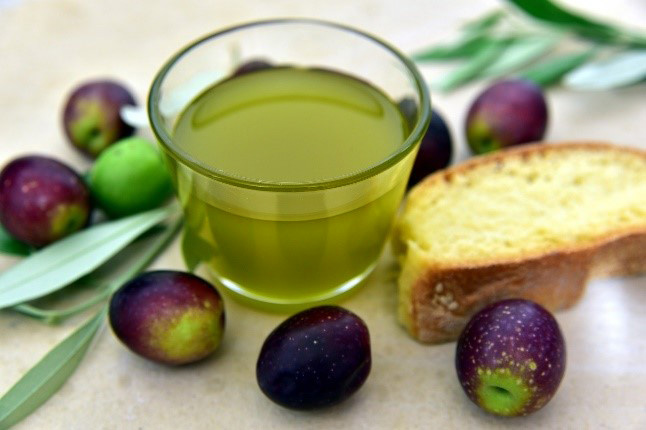
One very special delicacy is buffalo mozzarella or burrata drizzled with olive oil. It's not just the delicious burrata that's important: the olive oil is enhanced, becoming much more intense in terms of both smell and taste. Alternatively, you can simply dip some crispy Italian bread into the oil and enjoy it. Extra virgin olive oil doesn't get any healthier than this!

Buy Italian extra virgin olive oil

Where can I buy high-quality organic extra virgin olive oil?

We would be delighted to assist you at Mokaffee. Please take a look at the offers we have available. We have selected one of the finest organic olive oils for this purpose. We visit the oil mill, oversee the production process personally, speak with the producer and sample the products directly at the farm. Our supplier work ethically and professionally. Quality always comes first.

Would you like to know more? Please don't hesitate to contact us — we're always happy to answer questions! We value the personal relationship we have with our customers and look forward to hearing from you!

To give you an idea of our orgaic extra virgin olive oil from the Bartolacci, we would like to take you on a journey to the region where this precious commodity is produced!

Online Shop for Italian extra virgin olive oil

The Marche Region

Birthplace of the top olive oil

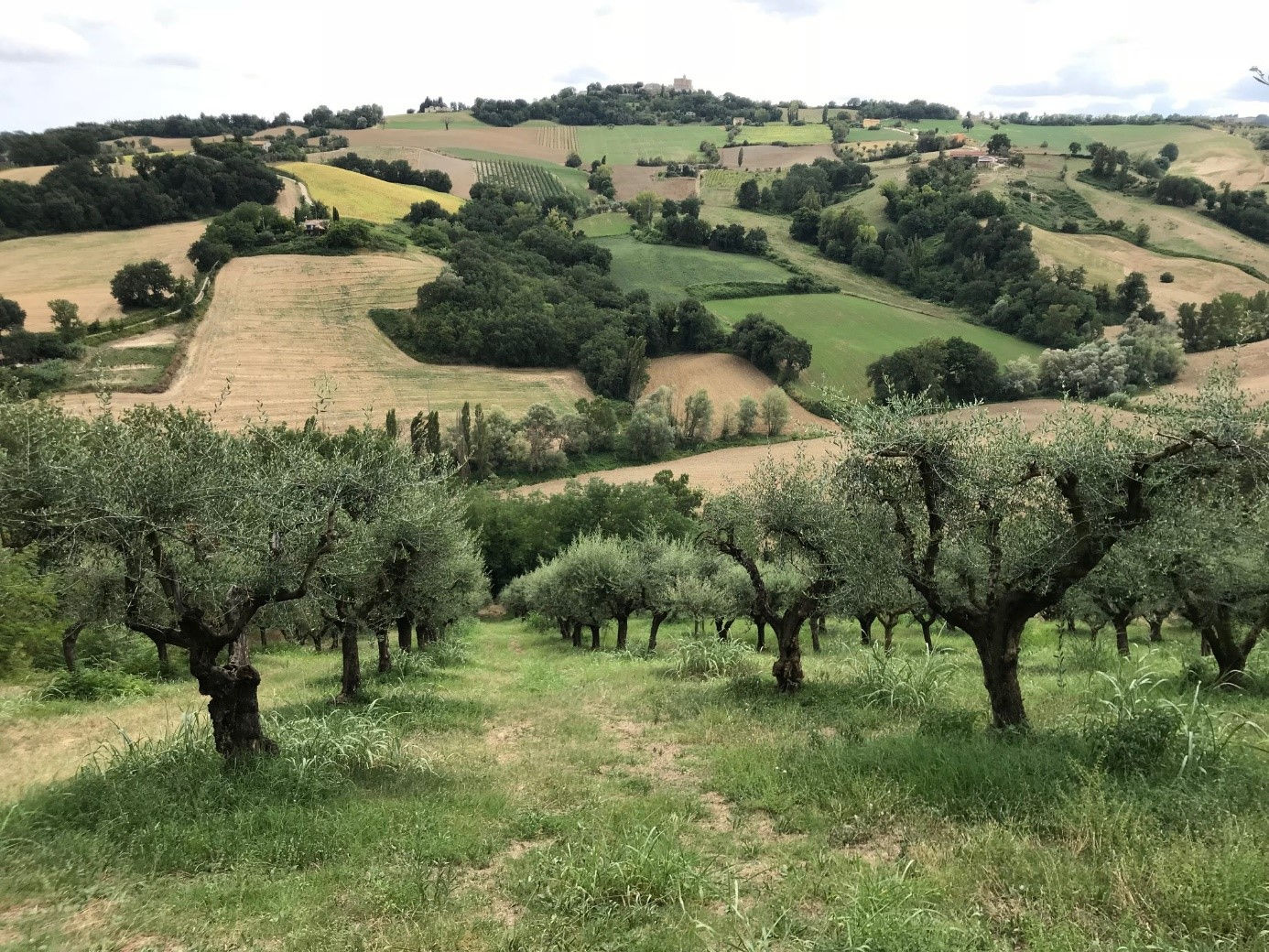
The Marche region is renowned for its picturesque, rolling hills. It is predominantly agricultural, and this is reflected in the landscape. Medieval-style farms can still be discovered here and there, and enchanting stretches of land lined with oak trees or covered with old, gnarled olive trees lie between the hills and mountains. The olive trees from Bartolacci are also found here, and are a special treat both on their own and as extra virgin olive oil.

Extra virgin olive oil 100% from Italy

When tradition meets regional quality

This organic extra virgin olive oil from Bartolacci is produced through the first cold pressing of olives grown near San Costanzo (Pesaro-Urbino). Annual analyses of the oil's chemical properties consistently reveal its excellent acidity and peroxide values. This is mainly because the olives used to produce this highly aromatic oil are processed immediately after harvesting. This organic extra virgin olive oil is regional and of a consistently high quality, from cultivation to finished product. The olive trees used to produce this oil are located in the Marche region, which is situated southeast of Florence, between the Adriatic Sea and the Apennines.

The Italians affectionately call this area Marche, which is characterised by rocky cliffs and sleepy villages. Nestled among green meadows, beautiful bays and rolling hills are olive trees whose fruit is used to produce this special olive oil. Here, nature is largely untouched, and the olives are picked with care and ground with a large millstone, according to tradition, before being pressed purely mechanically. This preserves the valuable ingredients of the olive in the oil, and it shows!

Lovingly handcrafted

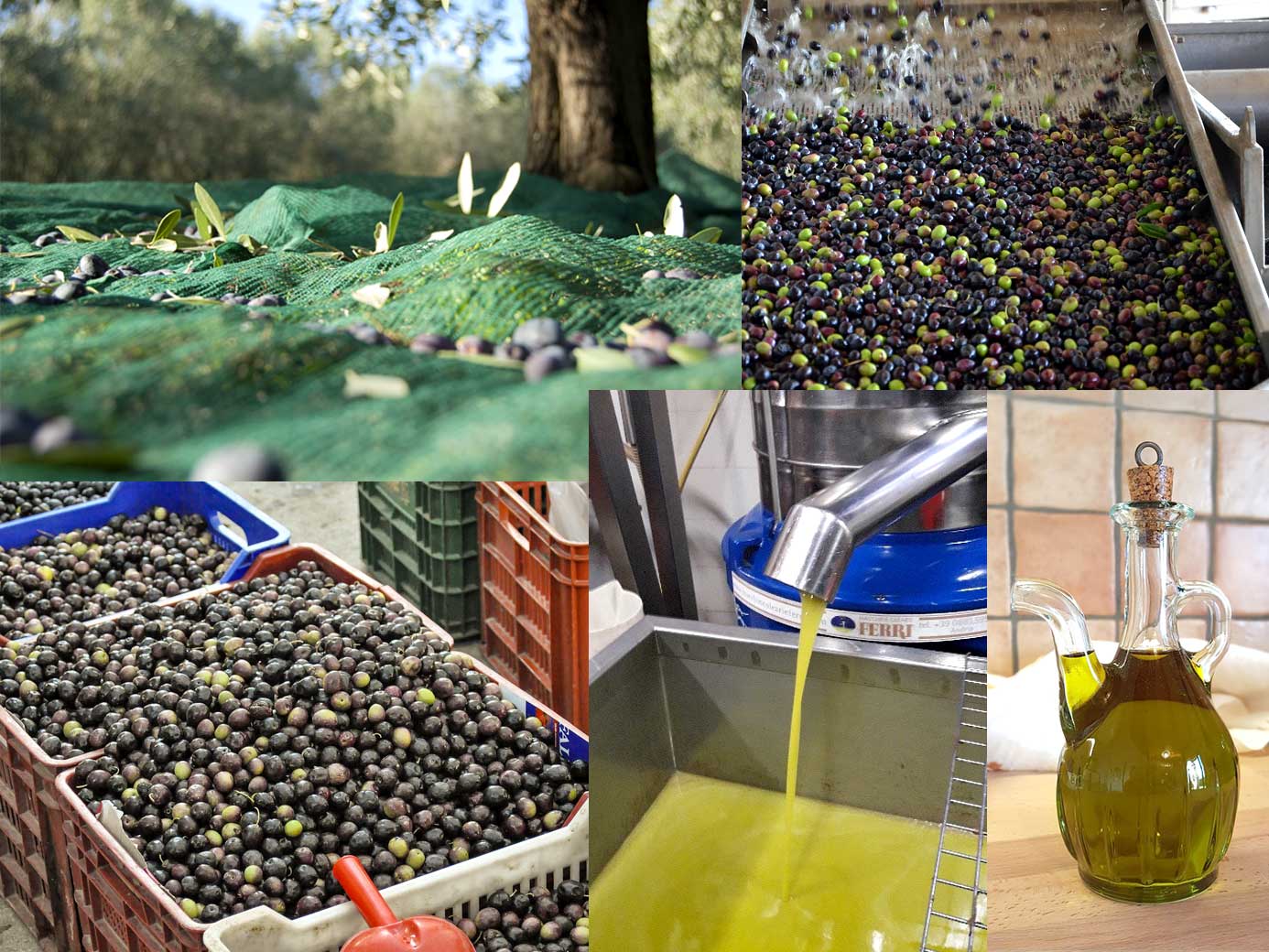
This wonderfully aromatic organic olive oil comes from the picturesque region surrounding the city of San Costanzo in the Marche, one of Italy's most beautiful areas. Here, ancient olive trees flourish amidst sea and mountains. The combination of mountain and sea air gives these olives their unique aroma, which is reminiscent of wild cherry blossom with a hint of the salty air of the Adriatic Sea. Every bottle of this precious, golden delicacy captures the spirit of the Mediterranean and sun-kissed olives. The secret to this unmistakable, authentic flavour is as simple as it is astonishing: at the end of October/beginning of November, the olives are harvested by hand to ensure the delicate fruit is not damaged. It takes approximately 5 to 10 kilograms of the finest olives to produce just one litre of this precious olive oil!

Top quality extra virgin olive oil 100% from Italian olives

The ripening process depends on more than just the type of olive. The prevailing temperatures, daily hours of sunshine and care of the olive grove all play an important role. The flavour of the olives depends on how ripe they are. Those harvested earlier are green and firm with a slightly bitter flavour, whereas those left on the tree gradually become darker until they are almost black, softer in texture and more aromatic when fully ripe. Generally speaking, olives harvested at the beginning of the ripening process produce the best olive oil. In the Marche region, the olives are harvested at the end of October, and all the olive oil has been pressed by mid-November. In southern regions, however, the harvest can take place as late as December, depending on the climate.

Extra virgin Italian olive oil of outstanding quality cold pressed

In order to obtain olive oil with the best properties, it is now recommended that the earliest harvest takes place by the end of October. Olives that are harvested earlier or are less ripe yield less olive oil. The decision is simple, though: quality counts here, not quantity. Olive oil is naturally preserved through a rapid process immediately after the harvest. It is important that the olives are not exposed to oxygen. This keeps peroxide levels low, meaning the olive oil has a longer shelf life.

Olive oil from more mature olives contains more healthy ingredients: sodium, calcium, iron, magnesium, zinc, B vitamins, provitamin A and folic acid levels increase as the olives ripen. To ensure Bartolacci olive oil retains the natural sweetness of ripe olives while containing healthy polyphenols and other beneficial compounds, Bartolacci brings their olives directly to the oil mill after harvesting. There, regionally grown olives are processed into this high-quality oil every autumn.

Die Klassifizierung beim Olivenöl

Die Olivenöle werden, wie auch alle anderen hochwertigen Qualitätsprodukte, den Güteklassen zugeordnet. Die wichtigsten Kategorien finden Sie hier, absteigend sortiert.

Gruppe: Native Olivenöle

Natives Olivenöl Extra
ist das hochwertigste unter Olivenölen. Es darf max. 0,8 Prozent freie Fettsäuren enthalten und in Geschmack, Geruch und Farbe einwandfrei sein. Ferner muss es nativ oder nativ extra und ohne Temperaturveränderungen aus erster kalter Pressung erfolgt sein. Nur so darf es als „aus erster Kaltpressung“ bezeichnet werden. Eine Pressung bis zu höchstens 27°C darf die Bezeichnung „Kaltextraktion“ tragen. Dies ist die Auszeichnung für ein Olivenöl der höchsten Güteklasse und wird in Italien Extra Vergine, also jungfräuliches Olivenöl extra genannt! Bis zu 3 Jahre kann ein so hochwertiges Olivenöl aufbewahrt werden, wenn es bei ca. 18°C in einem lichtundurchlässigen Gefäß aufbewahrt wird.

Natives Olivenöl
Dieses Olivenöl, welches auch als „feines Olivenöl“ bezeichnet werden darf, entsteht ebenfalls durch kalte Pressung. Es muss in Geschmack, Geruch und Farbe größtenteils einwandfrei sein und darf nicht mehr als 2 Prozent freie Fettsäuren aufweisen.

Gewöhnliches Natives Olivenöl
Dieses Olivenöl ist durch schonende und kalte Pressung hergestellt. Es darf jedoch einige sensorische Fehler sowie bis zu 3,3 Prozent freie Fettsäuren aufweisen.

Lampantöl
Dieses Öl weist erhebliche Mängel auf, enthält über 3,3 Prozent freier Fettsäuren und ist zum Verzehr nicht geeignet!

Gruppe: Raffiniertes Olivenöl

Dieses Olivenöl entsteht durch das Raffinieren nativen Olivenöls, welches ursprünglich aufgrund sensorischer Fehlerhaftigkeit eigentlich nicht zum Verzehr geeignet war. Durch das Raffinieren ist das Öl zwar wieder zum Verzehr geeignet, hat aber deutlich an Qualität bezüglich gesunder Inhaltstoffe und Aroma verloren.

Gruppe: Olivenöl

Diese Öle sind meist Mischungen aus raffiniertem Öl und nativem Olivenöl. Allerdings ist das Mischungsverhältnis nicht vorgeschrieben und teilweise befinden sich in einem solchen Olivenöl, welches irreführenderweise auch manchmal als „reines Olivenöl“ bezeichnet wird, lediglich 2 Prozent natives Olivenöl.

Gruppe: Tresteröle

Wie der Name schon sagt, handelt es sich hierbei um ein Öl, welches aus dem nach der ersten Pressung zurückbleibendem Trester gewonnen wird.

Product added to wishlist
Product added to compare.

Mokaffee does NOT use Targeting and Advertising Cookies to collect information from you on your device or to display advertisements to you based on relevant topics of interest to you. We only use essential cookies that are strictly necessary for the correct functioning of Mokaffee Online Shop.